DAS: Blogs:
Terry Etherton Blog on Biotechnology


No Difference in Conventional, rbST-Free and Organic Milk

No Differences Found in the Composition of Conventional, rbST-Free and Organic Milk

Terry D. Etherton

A new scientific study by Vicini et al. published in the July issue of the prestigious Journal of the American Dietetic Association (JADA) reports the results of the first in-depth survey study comparing retail milk for quality, nutritional value and levels of different milk hormones, including bovine somatotropin (bST). The study that we published found that there were “no meaningful differences” in the composition of milk with the three different label claims. Read the rest of this entry »

Comments

Orion Samuelson of WGN Radio on the Use of rbST

The following podcast features Orion Samuelson of WGN Radio discussing the use of recombinant bovine somatotropin (rbST).

Orion Samuelson is heard on WGN Radio, where he has served as Agribusiness Director since 1960. He and his associate, Max Armstrong, present 15 agricultural/business reports daily on WGN. They also host the hour-long Morning Show and Noon Show, both heard on Saturdays on WGN. Orion is also heard daily on more than 260 radio stations with his syndicated National Farm Report and on 110 stations with his syndicated Samuelson Sez. Orion and Max are seen weekly on rural channel RFD-TV, carried on Dish-TV and DirecTV on This Week in Agribusiness.

Listen to this PodCast Listen | subscribe

Comments

Bovine Somatotropin (bST) Safety Around the World

Terry D. Etherton

A common “sound bite” in the arsenal of individuals who oppose rbST use in the dairy industry in the United States is that it is banned in most countries around the world, especially Canada and all the European nations to protect the milk supply. This is inaccurate and misleading. Here are the facts: Read the rest of this entry »

Comments

Podcast: The Future of Food Biotechnology

The following podcast is of a seminar given by Dr. Terry Etherton on November 2, 2007:

Listen to this PodCast Listen | subscribe

Comments

PodCast – Biotechnology in the Barnyard: A RoundTable Discussion

Dr. Terry Etherton, Distinguished Professor of Animal Nutrition and Head of the Department of Dairy and Animal Science at Penn State; Dr. Dale E. Bauman, Liberty Hyde Bailey Professor of Animal Science and Nutrition, Cornell University; and Dr. Robert Collier, Professor, University of Arizona discuss the ramifications of the public debate surrounding rbST-free milk.


Listen to this PodCast Listen to this podcast

Comments

VodCast: Dr. Penny Kris-Etherton on Milk Choices

Comments

There is No Validated Test for rbST Use in Dairy Cows

Dale E Bauman
Liberty Hyde Bailey Professor
262 Morrison Hall
Department of Animal Science
Cornell University
Ithaca NY 14853-4801

Recently, there have been a number of comments on Dairy-L and occasionally a popular press article, which have proclaimed that Cornell University has developed a test for bST use in dairy cows; the articles have sometimes quoted Dr. R.C. Gorewit, the originator of the “test”, and referred to a 1997 patent he obtained for the test. These articles have led to a large amount of confusion: the following addresses some of the most frequently asked questions. Read the rest of this entry »

Comments

MSN Reality Check: Bovine Growth Hormone

Important science-based evidence from Dr. Dale Bauman, Cornell University: Growth hormones exist naturally in a dairy cow and in the milk she produces. The hormone, called bovine somatotropin (bST) or bovine growth hormone (bGH), is a determining factor in how much milk the cattle can produce. Read the full article at MSN…

Comments

IGF-I Fact Sheet

Facts about Insulin-Like Growth Factor I (IGF-I) by Dr. Dale E. Bauman, Cornell University Full text of IGF-I Fact Sheet…

Comments

The Efficacy, Safety and Benefits of Bovine Somatotropin

American Council on Science and Health, New York, NY, 1994
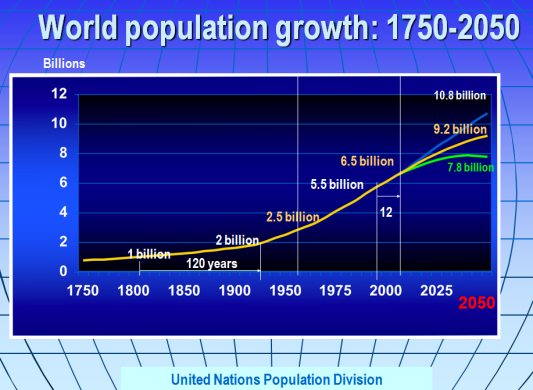
As the world’s population grows, the National Research Council 1 estimates that the supply of food required to adequately meet human nutritional needs over the next 40 years will be equal to the amount of food previously produced throughout the entire history of humankind. Read the rest of this entry »

Comments

« Previous entries Next Page » Next Page »